Buying at auction
You are bidding on a property you have not been inside, without a title policy, and possibly without extinguishing what is owed on it. The discount is real. So is every one of those reasons for it — and the losses fall on people who assumed the auction had done the diligence for them.
Bidding on the wrong lien. A foreclosure sale extinguishes junior liens but not senior ones — so buying at a second mortgage or association foreclosure can mean acquiring a property still encumbered by a first mortgage far larger than what you paid. The auction does not tell you which position you are bidding on. You have to establish it yourself, from the public record, before the sale.
Two different auctions, frequently confused
| Foreclosure sale | Tax deed sale | |
|---|---|---|
| Arises from | A court judgment on a mortgage or association lien | Unpaid property tax |
| Run by | The clerk of court | The clerk of court |
| What survives | Liens senior to the one foreclosed | Generally very few, but not none |
| Redemption | Limited, per the judgment | Until the deed issues |
| Title quality | Uninsurable without further work | Uninsurable without further work |
The tax route begins with a certificate sold against the parcel, carrying interest up to 18% per year†, and a holder may not apply for a deed until two years from 1 April of the year the certificate was issued†. Owners can redeem right up until the deed issues — so a sale you were planning around can simply evaporate the day before.
What to establish before bidding
- Which lien is being foreclosed, and its position. This is the whole exercise. A first mortgage foreclosure clears junior liens; an association foreclosure does not clear the first mortgage — an association may foreclose an assessment lien in the same manner as a mortgage — judicially, through the courts†, and buyers at those sales are routinely surprised by what remains.
- Search the title yourself, or pay someone to. Other mortgages, judgment liens, code enforcement liens, unpaid tax, association arrears.
- Check for code enforcement liens specifically. They accrue daily, they can exceed the property’s value on a long-neglected house, and they frequently survive.
- Establish whether anyone is living there. You may be buying an eviction, which takes time and cannot be shortcut.
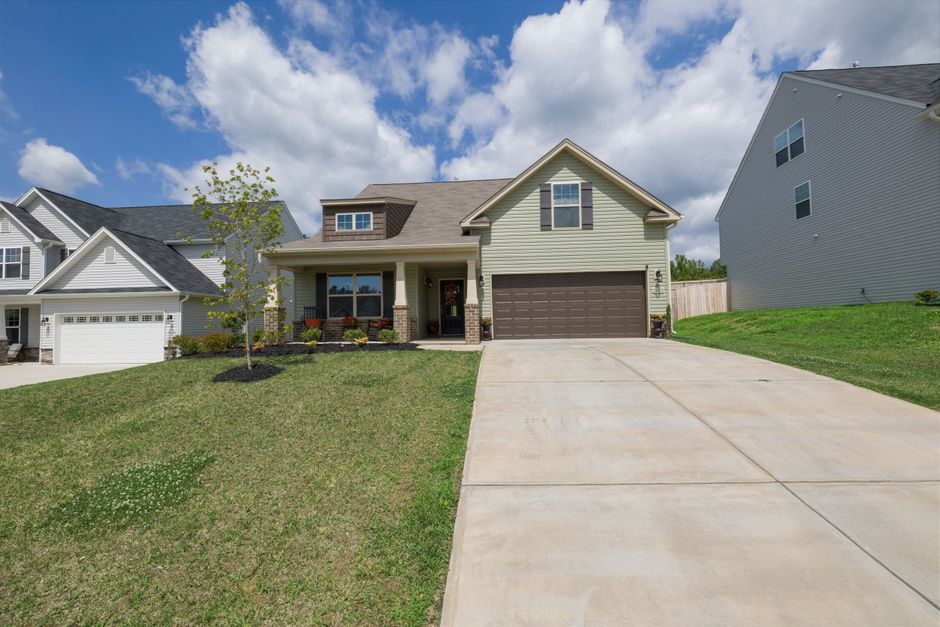
- Look at the outside, and at the neighbours. You will not get inside. A roof, an enclosure, and the general condition of the street tell you more than the listing photographs you do not have.
- Read the association documents if there are any, including whether the association is owed money and what it will pursue.
What you are giving up
- An inspection. You are buying condition risk blind, and Florida condition risk includes roofs, panels, plumbing and mould in an empty house.
- A title policy at the point of purchase. Auction title is generally uninsurable until cured, which usually means a quiet title action — time and legal cost you must budget for.
- Financing. These are cash purchases in practice, and deposits are due immediately with the balance shortly after.
- Any recourse against a seller. There is no disclosure duty here because there is no conventional seller. Nobody is telling you anything.
Documentary stamp tax at $0.70 per $100† applies on the transfer, and when you eventually sell, a buyer will want insurable title — so the cost of curing it is not optional, it is deferred. Budget it into the bid rather than treating it as a surprise afterwards.
Surplus funds, and the industry around them
If a sale raises more than the judgment or minimum bid, the excess is surplus and belongs to the former owner after other lienholders. It is claimable through the clerk of court. Former owners are routinely approached by recovery firms offering to claim it for a large percentage of something the clerk’s own process handles — worth knowing whichever side of the sale you are on.
Who this actually suits
Buyers with cash, a tolerance for legal process, the ability to search title themselves, and enough capital that one bad outcome is survivable. It is a repeatable business for people doing it regularly and a poor first property purchase — not because the discounts are illusory, but because the diligence is the entire skill and it is unforgiving of a single missed lien.
Related
Common questions
Do I get clear title at a Florida foreclosure auction?
Not automatically. A foreclosure extinguishes liens junior to the one foreclosed but not senior ones — so buying at an association or second mortgage foreclosure can leave a first mortgage in place, far larger than what you paid.
Can I inspect a property before an auction?
No. You bid without seeing inside, which means taking on condition risk blind — and in Florida that includes the roof, the electrical panel, the plumbing and mould in a house that has been empty.
What is the difference between a foreclosure sale and a tax deed sale?
A foreclosure sale follows a court judgment on a mortgage or lien. A tax deed sale follows unpaid property tax, beginning with a certificate that carries interest up to 18% and cannot lead to a deed application for two years.
Can I get title insurance on an auction purchase?
Generally not immediately. Auction title is usually uninsurable until cured, which often means a quiet title action — a cost and delay to budget into the bid rather than discover afterwards.
What are surplus funds?
Any amount a sale raises above the judgment or minimum bid. It belongs to the former owner after other lienholders and is claimable through the clerk of court — not something that requires paying a recovery firm a large share.
Foreclosure sales are governed by Chapter 45 and tax deeds by Chapter 197 of the Florida Statutes, both administered by the clerk of court in each county with differing local procedures. Lien priority determines what survives a sale — establish it from the record before bidding.