A denied or underpaid roof claim
Get the denial in writing with the specific policy language relied on, before doing anything else. Roof denials rest on one of a small number of grounds, and each has a different answer. Arguing generally against a denial you have not read is how people spend months achieving nothing.
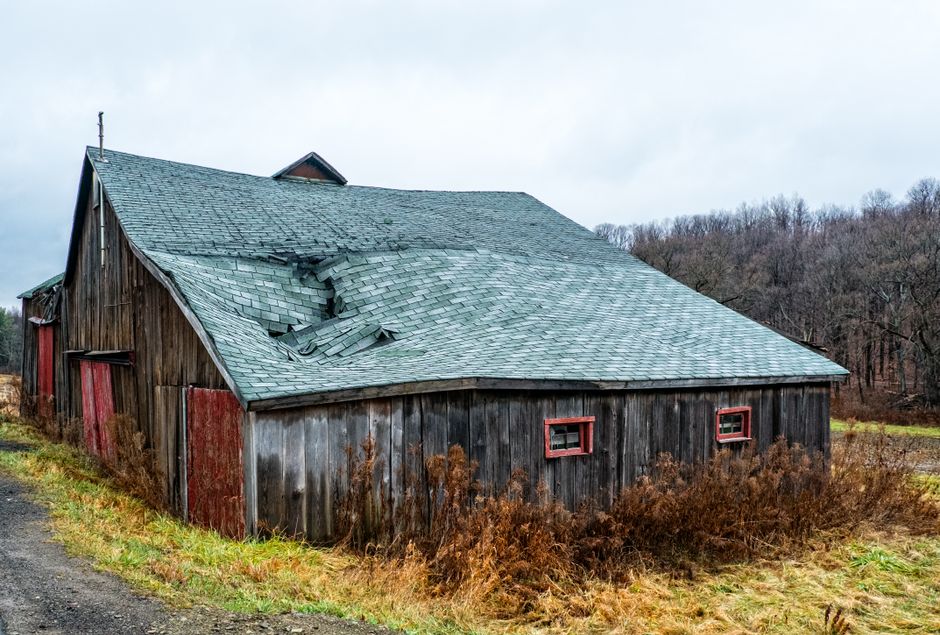
Beyond emergency mitigation to stop further damage, repairing the roof removes the evidence. If the dispute is about whether damage was storm-related or age-related — and it usually is — the roof itself is the only thing that can answer that. Tarp it, photograph it, and leave it.
The four common grounds, and what each means
| Stated reason | What it really means | Your route |
|---|---|---|
| Wear and tear, not a covered peril | They say the roof failed from age, not the storm | Independent expert opinion on causation |
| Damage is below the deductible | Often a percentage of dwelling limit, not a flat sum | Check the arithmetic and the scope of damage assessed |
| Late notice | You reported outside the statutory window | Check the dates against the actual deadline |
| Excluded or limited | Cosmetic damage exclusion, or roof settled at actual cash value | Read the endorsement — this is a policy question, not a factual one |
The fourth row is the one people misread as a denial when it is actually a valuation dispute. A roof settled at actual cash value rather than replacement cost is being paid, just depreciated — and that is a term of your policy rather than a decision about your claim.
Check the deadlines first, in both directions
- Notice of a claim is due within 1 year† of the loss, and a supplemental claim within 18 months†. Both run from the date of loss, which for a weather event is landfall or NOAA verification rather than when you noticed.
- The insurer must pay or deny within 60 days† of notice, must acknowledge communications within 7 calendar days†, and must begin investigating within 7 days† of proof of loss.
- A denial citing the old ninety-day or three-year figures is quoting repealed law, and that is worth pointing out precisely.
What actually moves a causation dispute
- An independent engineer or roofing expert report addressing cause, not just damage. The adjuster’s report says what they saw; yours needs to say why it happened.
- Dated photographs from before the event, if you have any. Listing photographs, a prior inspection, or a wind mitigation report all establish the earlier condition.
- Weather data for the date and location. Wind speeds and hail reports are obtainable and they either support the claim or they do not.
- Neighbouring properties. Widespread damage on the same street on the same date is circumstantial but persuasive.
- The roof’s permit history, establishing its actual age rather than the insurer’s assumption.
The routes available to you
- Ask for reconsideration with new evidence. Cheapest, and it works more often than people expect where the denial rested on an assumption you can disprove.
- A licensed public adjuster. Fees are capped at 20%†, dropping to 10%† for claims from a declared emergency within the following year — worth checking which applies before signing.
- Complain to the Department of Financial Services, which is most useful for procedural failures such as missed statutory deadlines rather than for disagreements about causation.
- Legal advice, where the number justifies it.
Signing an assignment of benefits — no longer permitted on residential policies issued from 2023. Accepting an offer to waive your deductible, which is fraud and makes you a participant. And letting a contractor who knocked on your door after the storm handle the claim on your behalf, which is the arrangement those two things are usually attached to.
If the answer is genuinely no
Sometimes the roof is simply old, and that is not a claim. If so, the next questions are about non-renewal rather than payment — and the law is more helpful there than most people realise. An insurer may not refuse or non-renew solely on roof age under 15 years†, and past that an authorised inspector certifying five years of remaining useful life† blocks a roof-age non-renewal.
And before accepting a full replacement quote, check which code rule applies to your roof. If it was built to the 2007 Florida Building Code or any later edition, in force from 1 March 2009†, only the damaged portion needs replacing however widespread the damage.
Related
Common questions
Why was my Florida roof claim denied?
Usually one of four grounds: wear and tear rather than a covered peril, damage below the deductible, late notice, or a policy exclusion such as cosmetic damage or actual cash value settlement. Get the written denial, because the reason determines your route.
Should I repair my roof while the claim is disputed?
Only emergency mitigation to prevent further damage. Repairing removes the evidence, and where the dispute is about whether damage was storm-related or age-related, the roof itself is the only thing that can answer it.
How do I prove storm damage rather than wear and tear?
An independent engineer or roofing expert report addressing causation, dated photographs from before the event, weather data for that date and location, damage on neighbouring properties, and the roof’s permit history establishing its real age.
What is the difference between a denial and actual cash value settlement?
A denial pays nothing. An actual cash value settlement pays the depreciated amount rather than replacement cost, which is a term of your policy rather than a decision about your claim — people frequently misread the second as the first.
Can I still be non-renewed after a roof claim?
Possibly, but not solely on roof age under 15 years. Past that, an authorised inspector certifying at least five years of remaining useful life blocks a roof-age non-renewal.
Claim deadlines sit in §627.70131 and §627.70132, roof-age protections in §627.7011, and public adjuster fee caps in §626.854. What your policy covers, and on what settlement basis, is governed by the policy itself — read the endorsements.