Buying vacant land
Being for sale is not the same as being buildable. A lot that looks like a bargain is usually priced for a reason somebody else already found — wetlands, no legal access, no utilities within reach, or ground that will not support a septic system. All four are checkable before you commit, and none of them shows up on a listing.
Establish whether you can build what you want, then whether you can service it, then what it costs. People do this backwards — they buy the land, then discover the setbacks leave no viable footprint, or that connecting utilities costs more than the lot did.
Can you build what you want on it?
- Zoning and permitted use. Ring the planning department with the parcel number and ask what is permitted. Not what is possible with a variance — what is permitted now.
- Setbacks, coverage and height limits. On a narrow or irregular lot these can leave a buildable footprint far smaller than the acreage suggests.
- Deed restrictions and covenants. These run with the land and are frequently stricter than zoning — minimum house size, materials, even how long you have to start building.
- Wetlands and protected habitat. A jurisdictional determination is the only reliable answer, and a dry-looking lot in the dry season proves nothing.
- Flood zone. It changes what you may build, how high, and what flood cover costs — NFIP caps building cover at $250,000†.
Can you get to it, legally?
Physical access and legal access are different things. A track you can drive down is not a right to use it. If the parcel does not front a public road, you need a recorded easement — and "the neighbour has always let us" is not one. A landlocked parcel is worth a fraction of an accessible one, and this is the single most expensive thing to get wrong.
Can you service it?
| Utility | What to establish |
|---|---|
| Water | Public connection available, or a well — and what the water is like locally |
| Sewer | Public connection, or whether the soil will support a septic system |
| Power | Distance to the nearest service, and who pays to extend it |
| Access road | Whether you are building it, and to what standard |
| Internet | Genuinely worth checking before assuming |
On septic, the permitting office depends on where you are: regulation moved to DEP on 1 July 2021†, but DEP runs permitting directly in only 16 counties, mostly in the panhandle† — elsewhere the county health department still handles it. Establish which applies before you ring anyone.
Whether the ground will support a septic system is a question with a definitive answer and a modest cost, and it is entirely determinative on a lot with no sewer. A lot that fails is not a cheap lot — it is an unbuildable one, and finding out afterwards is the classic Florida land mistake.
If it is on a well, remember that Florida does not require private well water to be tested when a home is sold† — so any testing is yours to arrange.
The financing difference
- Land loans typically require a larger deposit, carry higher rates and shorter terms than a mortgage.
- Many buyers pay cash for exactly that reason, which makes the diligence more important rather than less.
- A cash purchase means no lender ordering a survey or requiring title insurance. Nobody is checking on your behalf, so declining an owner’s policy leaves you with no title protection at all.
- Construction financing is a separate product with its own requirements, and worth understanding before you buy the land.
Before you close
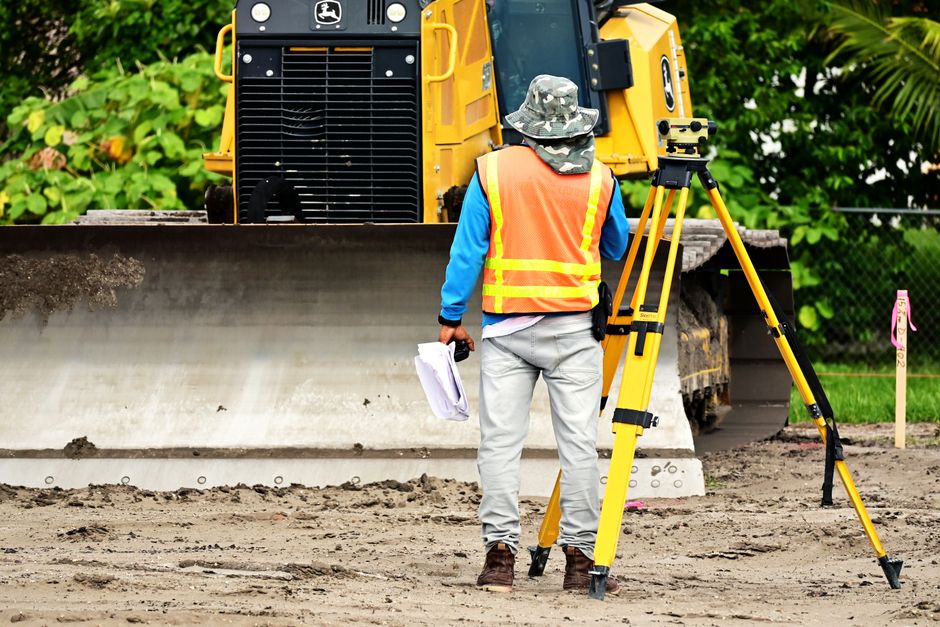
- Get a boundary survey. On vacant land there are no buildings to orient by and the corners matter enormously.
- Get a title search and an owner’s policy. Easements, mineral rights and old restrictions are exactly what turns up on land.
- Do the soil test if there is no sewer.
- Get the zoning answer in writing, with the parcel number, from the planning department.
- Check for unpaid taxes and any CDD or special assessment attached to the parcel.
- Price the site work. Clearing, fill, drainage and the access road are frequently a larger number than the land.
When you come to build
Construction requires a licensed contractor and permits — this is far over the $2,500† threshold. Building as an owner-builder is possible in Florida but it moves the liability, the lien exposure and the permit responsibility onto you, and it is a considerably larger undertaking than it appears when someone suggests it as a saving.
Related
Common questions
What should I check before buying land in Florida?
Zoning and permitted use, setbacks and buildable footprint, deed restrictions, wetlands, flood zone, legal access, and whether the ground will support a septic system if there is no sewer. All are checkable before closing.
Why is that cheap Florida lot so cheap?
Usually wetlands, no legal access, no utilities within reach, or soil that will not support a septic system. Each is a reason a previous buyer walked away, and each is establishable in advance.
What is the difference between physical and legal access?
A track you can drive down is not a right to use it. Without a recorded easement or public road frontage the parcel is landlocked, which is the single most expensive thing to get wrong on a land purchase.
Do I need a soil test before buying land?
If there is no sewer connection, yes. Whether the ground supports a septic system is definitive, modest in cost, and the classic Florida land mistake to discover afterwards.
Do I need title insurance on vacant land bought with cash?
Yes, more than usual. With no lender, nobody is ordering a survey or requiring a policy on your behalf — and easements, mineral rights and old restrictions are exactly what turns up on land.
Zoning, setbacks and permitting are local; septic permitting is split between DEP and county health departments; wetlands determinations involve state and federal agencies. Get answers in writing against the parcel number rather than by category.